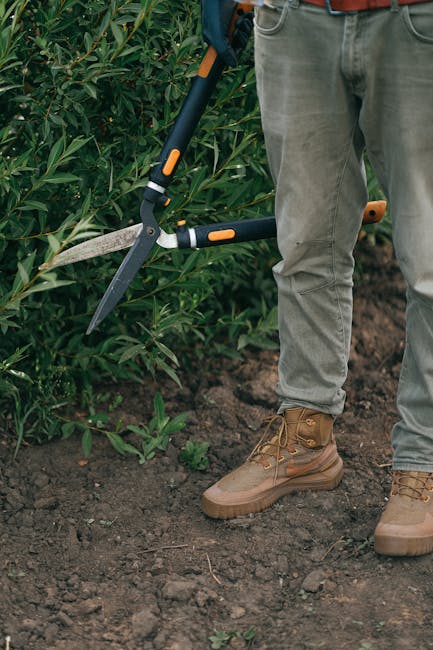
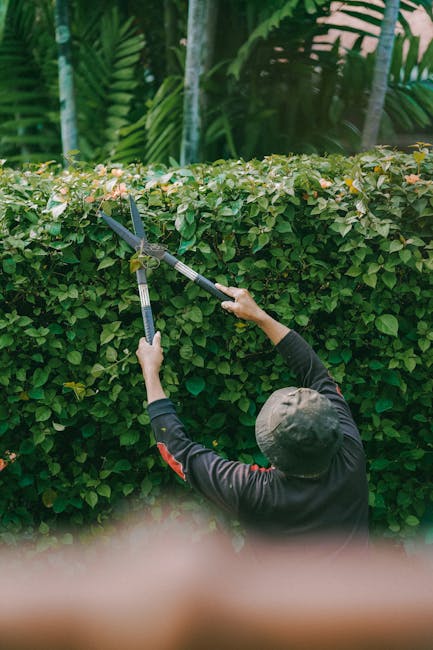
Best gardeners in Staines TW18 for garden maintenance
If your garden in Staines TW18 has started to feel like a second job, you are not alone. One week it is tidy, then a bit of rain, a warm spell, and suddenly the lawn needs cutting, the hedge is pushing out, and the borders look a touch wild. Choosing the best gardeners in Staines TW18 for garden maintenance is really about finding someone who keeps things under control without making a fuss about it. The best local help should feel calm, reliable, and practical.
This guide walks you through what garden maintenance actually includes, how to compare gardeners properly, what good service looks like, and where homeowners, landlords, and busy families tend to get the most value. If you want a maintenance plan that fits real life rather than an idealised weekend, you are in the right place.
For a fuller view of the service range, you can also browse the services overview and learn more about the team on the about us page.
Table of Contents
- Why Best gardeners in Staines TW18 for garden maintenance Matters
- How Best gardeners in Staines TW18 for garden maintenance Works
- Key Benefits and Practical Advantages
- Who This Is For and When It Makes Sense
- Step-by-Step Guidance
- Expert Tips for Better Results
- Common Mistakes to Avoid
- Tools, Resources and Recommendations
- Law, Compliance, Standards, or Best Practice
- Options, Methods, or Comparison Table
- Case Study or Real-World Example
- Practical Checklist
- Conclusion
- Frequently Asked Questions
Why Best gardeners in Staines TW18 for garden maintenance Matters
Garden maintenance sounds straightforward until you actually have to keep on top of it. Grass does not wait politely. Hedges do not stay in neat lines because you meant to trim them last week. And once the weeds get a foothold, they can make even a decent garden look tired quite quickly. That is why dependable garden maintenance matters: it protects the look, health, and long-term usability of the space.
In Staines TW18, many gardens need a mix of regular care and seasonal attention. A small patio garden may need frequent tidy-ups to stay presentable. A family garden with lawn, shrubs, and beds may need a wider maintenance routine. Larger plots, or gardens with mature planting, often need someone who can spot problems early before they turn into bigger jobs.
The real value of using a good gardener is not just neatness. It is consistency. A regular visit prevents the sort of slow decline that is easy to ignore until one Saturday morning you stand at the back door and think, well, that got away from me.
There is also a practical side. If you are selling a property, letting it out, managing a rental, or simply trying to make better use of the space, a maintained garden gives a far better first impression. It can also make routine tasks easier, from mowing to planting to clearing leaves in autumn. That may sound obvious, but you really do feel it once the work starts.
Expert summary: The best garden maintenance is not the flashiest. It is the kind that quietly prevents problems, keeps the garden usable, and saves you time over the long run.
How Best gardeners in Staines TW18 for garden maintenance Works
Good garden maintenance usually starts with a conversation, not a lawnmower. A reliable gardener will want to understand the size of the garden, what is already in place, what you want improved, and how often the space needs attention. Some clients want weekly or fortnightly help. Others only need seasonal visits. There is no single right answer.
From there, the gardener will normally build a routine around the main tasks. These often include mowing, edging, weeding, hedge trimming, pruning, clearing leaves, tidying borders, and looking after beds or planters. In some gardens, the work might also include pressure cleaning, waste removal, or planting refreshes. It depends on the site, and to be fair, that flexibility is part of what makes professional support useful.
The best service tends to be responsive but structured. You do not want a random visit where one week the lawn is done and the next week nobody notices the weeds. Regular maintenance is about rhythm. The garden gets checked, the obvious jobs are handled, and small issues are flagged before they become expensive fixes.
Many people also prefer a gardener who can adapt through the year. Spring and summer usually lean toward growth control and presentation. Autumn is more about leaf clearance and preparing for colder weather. Winter maintenance can be lighter, but that does not mean it should stop altogether. Truth be told, gardens that are ignored over winter often become a nuisance by March.
If you are comparing services, it helps to review what is included and how quoting works. The pricing and quotes page is a useful place to start if you want a clearer idea of how a proper quote is usually put together.
Key Benefits and Practical Advantages
There are a few reasons why people in Staines TW18 keep coming back to maintenance support rather than trying to do everything themselves. Some are obvious, some are more subtle.
- Time saved: The biggest one. A tidy garden is lovely, but someone still has to do the work.
- Better presentation: A maintained garden simply looks more cared for, which matters for homes, rentals, and business properties.
- Healthier planting: Regular pruning, weeding, and deadheading help plants perform better.
- Less stress: No more staring out at the lawn on a Sunday and feeling vaguely guilty.
- Earlier problem detection: A good gardener will often notice pests, disease, drainage issues, or storm damage early.
- Seasonal control: Your outdoor space stays manageable through spring growth spurts, summer dryness, and autumn leaf fall.
Another practical advantage is that a professional can bring a bit of judgement. For example, a hedge may look like it just needs cutting, but it might actually be better trimmed slightly later to avoid damaging nesting birds or new growth. A decent gardener will notice these things. That sort of decision-making is worth paying for.
There is also a smaller but real benefit: momentum. Once the garden is in good shape and on a maintenance plan, it tends to stay in good shape. You are not constantly starting from scratch, which is a relief in itself.
Who This Is For and When It Makes Sense
Garden maintenance is not only for people with large estates or picture-perfect lawns. In fact, it often makes the most sense for ordinary households with limited time and a garden that needs steady attention rather than a total redesign.
This kind of service is especially useful if you are:
- a homeowner who wants the garden to stay usable without spending every weekend on it
- a landlord or property manager needing a tidy exterior between tenancies
- a busy family trying to keep the outdoor space safe and pleasant for children
- an older homeowner who prefers help with heavier or repetitive tasks
- someone with planting you care about but do not have the time or confidence to manage properly
- a new resident in Staines TW18 settling into a garden that needs a bit of rescuing
It also makes sense after certain triggers. Maybe you have just moved in and the garden is overgrown. Maybe a busy period at work has meant the outdoor jobs slipped. Maybe you have had a storm, or a holiday, or a long spell of wet weather and everything has gone soft and unruly. Happens to the best of us.
If you are unsure whether you need occasional help or a regular visit, start by thinking in terms of pressure. If the garden becomes overwhelming before you have even finished one task, regular maintenance is usually the smarter route. If the garden is mostly fine but needs help a few times a year, seasonal visits may be enough.
Step-by-Step Guidance
Finding the right gardener is easier when you approach it methodically. A good process keeps you from choosing on price alone, which is where lots of people trip up.
- List the actual jobs you need done. Lawn care, weeding, hedge cutting, pruning, leaf clearance, planting, border tidying, or all of the above.
- Decide how often the garden needs attention. Weekly, fortnightly, monthly, or seasonal. Be realistic here.
- Check whether you want labour only or a more managed service. Some clients want simple upkeep, others want advice and light planning as well.
- Ask what is included in the quote. Waste removal, materials, repeat visits, and one-off jobs can change the price and the scope.
- Review professionalism and trust signals. Look for clear communication, sensible policies, and transparent service information.
- Confirm how the work will be scheduled. A maintenance routine only works if visits are consistent.
- Start with a small test period if you are unsure. A short run can show whether the gardener is a good fit before you commit long term.
A useful extra step is to ask for a service breakdown in plain English. If the response is vague, that is a clue. The good ones usually explain things clearly and without fuss. No drama, no pressure. Just a straightforward plan.
It can also help to read the practical details around terms and conditions and payment and security before booking. That is not exciting reading, granted, but it avoids misunderstandings later.
Expert Tips for Better Results
Here is where a little local experience goes a long way. Small habits make maintenance easier, cheaper, and more effective.
Keep access simple
If the gardener has to spend ten minutes moving bins, trying gates, or working around clutter, you are paying for hassle. Clear paths, unlock side gates, and make sure water taps are easy to reach if needed.
Group similar jobs together
If hedges, mowing, and border tidying all happen on the same visit, the garden usually looks better and the visit is more efficient. Splitting jobs too thinly can make the space feel half-finished. Not ideal.
Be honest about the condition of the garden
If a border is badly overgrown or the lawn has not been touched in months, say so. A good gardener would rather know upfront than discover it midway through the first visit.
Ask for seasonal adjustments
Spring growth and autumn leaf fall demand different priorities. A flexible gardener should be able to shift focus with the weather and the time of year.
Keep a short running note of issues
If you notice a patch of moss, a broken trellis, poor drainage, or a recurring weed problem, mention it before the next visit. A tiny note can save a lot of backtracking.
One small but underrated tip: take before-and-after photos for the first couple of visits. Not because you are being fussy, but because it helps you spot whether the maintenance plan is actually working. You will notice the difference more clearly, especially in the first month or two.
Common Mistakes to Avoid
People do not usually choose the wrong gardener because they are careless. More often, they simply do not know what to look for. These are the mistakes that cause the most frustration.
- Choosing only by the lowest price: Cheap can become expensive if the work is rushed or incomplete.
- Not defining the scope: If you do not say what needs doing, you may not get what you expected.
- Assuming every gardener offers the same level of service: Some focus on basic upkeep, while others offer more detailed care and planning.
- Ignoring insurance and safety: A professional gardener should be able to discuss these sensibly.
- Leaving all decisions to chance: Maintenance works best when there is a clear schedule.
- Forgetting the seasonal angle: A garden that looks fine in June may need a very different approach by October.
A common one in Staines TW18, especially with smaller gardens, is underestimating how quickly the work stacks up. A couple of neglected weeks can turn into a whole afternoon of catch-up. If that sounds familiar, well, yes, that is gardening for you.
It is also wise to avoid vague quotes. A proper quote should make sense on its own. If you cannot tell what is included, ask. Good providers welcome that conversation.
Tools, Resources and Recommendations
The best gardeners tend to use a sensible mix of manual tools and powered equipment depending on the task. For maintenance work, the important thing is not flashy gear. It is whether the tools are appropriate, well-kept, and used safely.
| Tool or resource | Typical use | Why it matters |
|---|---|---|
| Lawn mower or strimmer | Routine grass cutting and edging | Creates a clean finish and keeps growth manageable |
| Secateurs and loppers | Pruning and light cutting back | Helps plants stay healthy and controlled |
| Rake and leaf collector | Autumn clearance and tidy-ups | Prevents slippery surfaces and messy beds |
| Hand weeding tools | Border and paving weed control | Removes weeds more precisely than broad cutting |
| Waste bags or green waste system | Garden clearance and disposal | Keeps the site tidy and prevents awkward leftovers |
On the service side, a few pages are especially useful when you are comparing options or making a booking. The recycling and sustainability page can help if you care about responsible waste handling. If you want to know how service information is presented overall, the services overview gives a broader picture. And if you prefer to speak to someone directly, the contact us page is the practical next stop.
One more thing: a maintenance service is only as good as the communication around it. Clear booking notes, repeat visit reminders, and straightforward expectations all help. A tidy lawn is lovely. A tidy process is even better.
Law, Compliance, Standards, or Best Practice
Garden maintenance is not a heavily regulated service in the way some trades are, but there are still important standards and responsibilities to think about. The best gardeners work with care, manage risk properly, and treat your property with respect.
From a best-practice point of view, a professional gardener should be mindful of safe working methods, equipment handling, and reasonable protection of people and property on site. If work involves ladders, powered tools, manual handling, sharp cutting equipment, or waste removal, sensible precautions matter. That is common sense, really, but common sense is worth stating when somebody is working around your home.
It is also sensible to ask whether the business has appropriate insurance and whether it follows clear safety procedures. The insurance and safety page is a good reference point for this kind of reassurance, and the health and safety policy can give you a better sense of how risk is handled in day-to-day work.
On the environmental side, responsible disposal and recycling of green waste are increasingly part of what many people expect from a modern gardening service. If sustainability matters to you, ask how clippings, trimmings, and waste are managed. You may also want to review the business's approach through its recycling and sustainability information.
If you ever need to understand how a business handles feedback, billing, or data use, the supporting policy pages are there for clarity. That includes complaints procedure, privacy policy, and terms and conditions. It is not glamorous stuff, admittedly, but it signals a proper, organised service.
Options, Methods, or Comparison Table
Not every garden needs the same type of support. Some people want a quick refresh. Others need regular maintenance. A few need both, in stages. Here is a simple comparison to help you think it through.
| Option | Best for | Pros | Trade-offs |
|---|---|---|---|
| One-off tidy-up | Overgrown gardens, pre-sale presentation, post-holiday catch-up | Fast improvement, simple to arrange | Does not keep the garden maintained long term |
| Regular maintenance visit | Busy households, rental properties, neat front and rear gardens | Stable results, less stress, better plant health | Requires a schedule and ongoing budget |
| Seasonal maintenance | Gardens that are mostly manageable but need timed attention | Good balance of cost and control | Some tasks may build up between visits |
| Maintenance plus advice | People improving a garden gradually | More tailored support, better long-term planning | Can cost more than basic upkeep |
If you are stuck between a one-off tidy and a regular plan, think about how quickly the garden gets messy again. If it only looks good for a week or two, you probably need maintenance rather than rescue. There, that is the honest version.
Case Study or Real-World Example
Here is a simple, realistic example. A homeowner in TW18 has a modest rear garden with a lawn, two hedges, a couple of borders, and a patio that collects leaves and moss. During spring and summer, the space becomes usable if it is cut and tidied regularly. But every time work gets busy, the garden slips. The lawn grows long, weeds appear in the borders, and the patio starts to look slightly forgotten.
Rather than waiting for the garden to become a full weekend project, the homeowner arranges regular maintenance. The first visit focuses on bringing everything back under control: cutting back growth, clearing debris, weeding, edging, and re-establishing a neat look. After that, the maintenance shifts to lighter but more frequent visits. The result is not just a better-looking garden. It is a garden that stays usable with far less stress.
That is the real point. Maintenance is not about creating a show garden unless that is what you want. It is about keeping your space in the condition you actually need, whether that means somewhere for children to play, a place to sit with a cup of tea, or simply a view from the kitchen that does not make you wince.
Practical Checklist
Use this quick checklist before booking a gardener for maintenance in Staines TW18:
- Have you listed the exact jobs you want done?
- Do you know whether you need one-off, seasonal, or regular maintenance?
- Have you checked what is included in the quote?
- Do you understand how waste removal is handled?
- Have you reviewed service information and company background?
- Do you know how payments are taken and what the terms are?
- Have you asked about insurance and safety procedures?
- Is the gardener clear about scheduling and visit frequency?
- Have you explained any problem areas, such as drainage, weeds, or overgrowth?
- Are you comfortable with the communication style and level of detail?
If you can tick most of those off, you are in a much better position to choose well. And if one or two are still fuzzy, ask. That is exactly what a good local service should make easy.
Get a free quote today and see how much you can save.
Conclusion
Choosing the best gardeners in Staines TW18 for garden maintenance is not about finding the fanciest pitch or the lowest number. It is about finding a reliable, practical service that keeps your garden healthy, presentable, and manageable without adding more stress to your week.
Look for clear communication, sensible scheduling, proper safety awareness, and a maintenance plan that fits the reality of your garden. If you do that, you are far more likely to get lasting value instead of a short-lived tidy-up. And honestly, that is what most people want anyway: a garden that feels looked after, not constantly demanding attention.
If you are ready to take the next step, start with the service details, ask straightforward questions, and choose the team that feels grounded and trustworthy. The right support makes all the difference. A well-kept garden has a way of settling a home, especially on a quiet evening when everything is trimmed, the air is soft, and you can finally enjoy the space again.
Frequently Asked Questions
What do the best gardeners in Staines TW18 usually include in garden maintenance?
Garden maintenance often includes mowing, edging, weeding, hedge trimming, pruning, leaf clearance, border tidying, and general outdoor upkeep. Some services also include waste removal or seasonal planting. The exact mix depends on your garden and what you agree in advance.
How often should garden maintenance be done?
That depends on the size of the garden, the planting, and how quickly things grow. Many gardens benefit from weekly or fortnightly visits during the active growing season, while others only need monthly or seasonal attention.
Is a one-off tidy-up better than regular maintenance?
It depends on your goal. A one-off tidy-up is good for overgrown gardens or a quick refresh before an event. Regular maintenance is better if you want the garden to stay neat with less effort over time.
How do I know if a gardener is good value?
Good value is not just about the cheapest quote. Look at what is included, how clearly the work is explained, whether they seem reliable, and whether the service feels suited to your garden rather than generic.
Should I ask about insurance before booking?
Yes. It is sensible to ask whether the gardener has appropriate insurance and follows safe working practices. That is part of choosing a professional service and helps protect both you and the property.
What if my garden is badly overgrown?
That is very common. A good gardener can usually start with a restoration or heavy tidy-up, then switch into regular maintenance once the garden is back under control.
Can gardeners help with green waste and recycling?
Many can, and it is worth asking how waste is handled. If sustainability matters to you, check whether the provider has clear information about recycling and garden waste management.
Do I need to be home during the visit?
Not always. Some people prefer to be there for the first visit or to explain access and priorities, then leave the gardener to work. It depends on your comfort level and the arrangement you make.
What should I prepare before the gardener arrives?
Clear access routes, secure pets, and make sure the key areas are easy to reach. It also helps to point out any special instructions, such as delicate plants, hidden drains, or areas you want left untouched.
How do I compare gardeners without getting overwhelmed?
Focus on four things: scope, reliability, communication, and trust. If those feel strong, you are usually in good hands. Fancy wording and big promises matter less than a service that actually works.
Is garden maintenance worth it for a small garden?
Often, yes. Small gardens can still become untidy quickly, especially if you have limited time. A small space that is maintained well can feel surprisingly usable and peaceful.
What is the best next step if I want help soon?
Start by reviewing the service details, then send a clear enquiry with photos or a simple description of what needs doing. If you want a straightforward route into the process, the contact us page is the easiest place to begin.