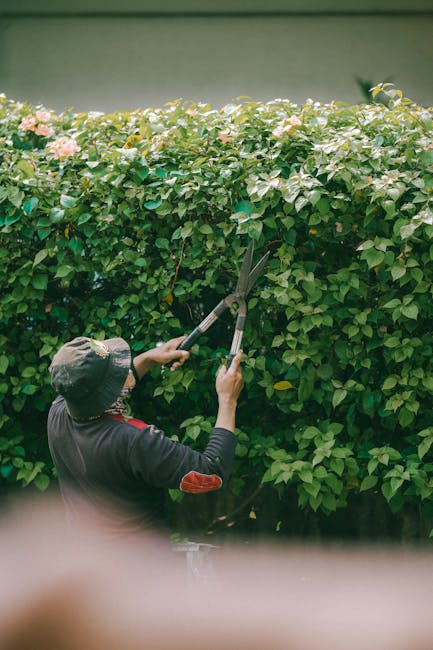
Avoid hidden charges when booking gardeners in Staines Riverside
Booking a gardener should feel straightforward. You ask for a quote, agree the work, and the garden gets sorted. Simple. But anyone who has ever been caught out by an "extra call-out fee", a surprise waste charge, or a vague "materials supplement" knows it is not always that neat. If you want to avoid hidden charges when booking gardeners in Staines Riverside, the real trick is not just finding the cheapest price. It is understanding what is actually included, what is not, and how the job will be priced before anyone lifts a spade.
In Staines Riverside, where gardens can range from compact town plots to larger, more layered outdoor spaces, pricing can shift depending on access, waste, overgrown growth, and the type of work needed. This guide walks you through how to spot awkward extras early, ask the right questions, compare quotes properly, and book with confidence. No fluff. Just the kind of practical detail that saves you from that mildly annoying moment when the final bill suddenly looks nothing like the original estimate.
Table of Contents
- Why Avoid hidden charges when booking gardeners in Staines Riverside Matters
- How Avoid hidden charges when booking gardeners in Staines Riverside Works
- Key Benefits and Practical Advantages
- Who This Is For and When It Makes Sense
- Step-by-Step Guidance
- Expert Tips for Better Results
- Common Mistakes to Avoid
- Tools, Resources and Recommendations
- Law, Compliance, Standards, or Best Practice
- Options, Methods, or Comparison Table
- Case Study or Real-World Example
- Practical Checklist
- Conclusion
- Frequently Asked Questions
Why Avoid hidden charges when booking gardeners in Staines Riverside Matters
Hidden charges are not just a budgeting nuisance. They can completely change how a garden project feels from start to finish. A quote that seemed reasonable on first glance may suddenly become expensive once the team arrives and discovers access is awkward, the border is more overgrown than expected, or the quote did not include waste removal. That is how trust gets chipped away.
For homeowners, landlords, and property managers in Staines Riverside, this matters even more because garden work is often time-sensitive. Maybe you need a one-off tidy before a family event. Maybe a hedge is pushing past the point of being neighbourly. Maybe the lawn is fine but the whole place needs a reset after a busy season. If the pricing is unclear, you end up having to make a fast decision under pressure. That is when add-ons sneak in.
Truth be told, most garden services are not trying to be sneaky. A lot of the problem comes from poor quoting habits: vague descriptions, no site visit, no written exclusions, or assumptions about waste, parking, and labour. Still, the outcome is the same for you if the final invoice arrives looking, shall we say, a bit more adventurous than expected.
Clear pricing is also a sign of professionalism. Good local providers are usually happy to explain what is included and what might cost extra. If you are comparing services such as garden maintenance, lawn mowing, or hedge trimming, a transparent approach often tells you more about the business than the price alone.
How Avoid hidden charges when booking gardeners in Staines Riverside Works
At its heart, avoiding hidden charges is about turning assumptions into written facts. You want to know what the gardener has priced, how the job will be measured, and which situations would trigger an additional charge. That sounds obvious, but in day-to-day booking it is often skipped because people are focused on getting the job done quickly.
The process normally works best in three stages. First, you describe the garden honestly: size, condition, access, and what needs doing. Second, the gardener gives a quote or estimate based on that information. Third, both sides agree the scope in plain language before work starts. If the job changes later, the extra cost should be explained before the work continues, not after.
Good pricing usually distinguishes between fixed-price work and variable work. Fixed-price jobs tend to suit clearly defined tasks, such as a regular cut-and-clear visit or a specific hedge trim. Variable jobs are more likely for overgrown gardens, clearance work, or mixed projects where the exact time and waste volume are hard to predict. For those jobs, a site visit or detailed photo assessment matters a lot.
It also helps to understand the practical parts of the quote. Does it include labour only? Are green waste bags, loading, and disposal included? Are fuel, parking, and VAT included if applicable? If you are asking about something broader like garden clearance or more involved landscaping, these questions stop the bill from drifting.
Key Benefits and Practical Advantages
The most obvious benefit is financial control, but there is more to it than that. Transparent pricing gives you better decision-making, fewer surprises, and a calmer experience overall. You can compare services properly instead of trying to decode a quote like it is some kind of tiny puzzle.
- Better budgeting: You know the likely total before work begins, which makes planning easier.
- Cleaner comparisons: A cheaper quote may not actually be cheaper once extras are added.
- Less back-and-forth: Clear scope means fewer phone calls and fewer misunderstandings.
- More trust: Straight answers about waste, materials, access, and labour usually reflect a well-run service.
- Reduced dispute risk: Written clarity makes it easier to resolve any disagreement fairly.
There is also a practical advantage if you are booking seasonal work. In spring, for example, gardens can move from "fine" to "slightly wild" surprisingly fast. By the time the grass is thick and the borders need attention, you need a quote that genuinely reflects the workload. If not, you can end up paying extra simply because the scope was guessed too loosely.
When a provider is open about pricing, it is usually easier to plan longer-term work too. A sensible discussion around services overview or a recurring maintenance schedule can help you keep costs under control rather than dealing with emergency tidy-ups all the time. And let's face it, emergency tidy-ups are rarely the cheapest tidy-ups.
Expert summary: The cheapest quote is not the safest quote. The best value is usually the one that clearly states what is included, what may change the price, and how any changes will be approved.
Who This Is For and When It Makes Sense
This approach is useful for almost anyone booking garden work in Staines Riverside, but it is especially important if your job is not a neat little one-off. If the garden is overgrown, if there is a lot of debris, or if the property has limited access, pricing needs more care.
You will find it especially helpful if you are:
- a homeowner arranging seasonal tidying or regular upkeep
- a landlord preparing a property between tenancies
- a letting agent or property manager working to a deadline
- an older resident who wants clarity before agreeing to any work
- someone comparing multiple gardeners and trying to judge real value
- anyone booking larger jobs such as tree lopping and removal, decking services, or wider landscape gardening work
It also makes sense if you have had a bad experience before. Maybe a gardener quoted for "a tidy-up" and then added charges for every extra bag. Maybe the job started at one price and finished at another. You are not being awkward by wanting clarity. You are being sensible. There is a difference, and it is a useful one.
Step-by-Step Guidance
1. Describe the garden as accurately as possible
Start with facts, not guesses. Mention the size of the garden, whether it is front, back, or both, what is overgrown, and whether there are trees, hedges, beds, or hard-to-reach areas. If the grass is knee-high or the hedge has gone a bit mad, say so. It helps the quote, and nobody benefits from downplaying the job.
2. Ask what the quote actually includes
A proper quote should say whether it includes labour, disposal, materials, travel time, and any follow-up tidy-up. If the reply is vague, ask again. A good question is: "If nothing changes on site, is this the final price?" That one line can save a lot of trouble.
3. Check for common extra charges
Look out for charges linked to waste removal, heavy green waste, difficult access, parking, steep gardens, late changes to the scope, and supply of materials. Some of these may be fair. The key point is whether they are explained before work starts.
4. Request a written quote or clear message summary
You do not need a complicated contract for every small job, but you do want a written record. A text or email is often enough for smaller bookings if it clearly shows the agreed scope and any exclusions. For larger work, written terms matter more.
5. Compare like for like
When comparing quotes, make sure you are actually comparing the same job. One gardener may include waste disposal and the other may not. One may be pricing two hours, the other one full day. That is not a fair comparison, even if the numbers look neat at first glance.
6. Agree how changes will be handled
Sometimes the garden reveals surprises once work begins. Hidden rubble, root damage, more waste than expected, or a broken gate can change the plan. That is normal. What matters is that you agree in advance how any extra cost will be approved. No surprises, if possible.
7. Keep the paperwork and messages
Save the quote, any text messages, and photos if you sent them. If there is ever confusion, a simple record makes things much easier to sort out. A bit unglamorous, yes. Very useful, also yes.
Expert Tips for Better Results
From a practical point of view, the best pricing conversations are calm, specific, and slightly boring. That is a good thing. You want predictable, not dramatic.
- Use photos, but do not rely on them alone: Photos help, though they can hide access problems or the true depth of overgrowth.
- Ask about waste by volume, not just "removal included?" Some jobs produce far more green waste than people expect.
- Check whether materials are included: For planting, edging, repairs, or other upgrades, materials can change the price quickly.
- Be clear about timing: A same-day urgent booking can cost more than a planned visit. That is not always unfair, but it should be stated.
- Separate regular upkeep from one-off jobs: A monthly or seasonal maintenance plan is often priced differently from a major reset.
One useful habit is to ask for a "no surprises" summary. Something like: price, scope, waste handling, access assumptions, and likely extras. It is a simple list, but it keeps everyone honest. In our experience, the jobs that go smoothly are the ones where both sides have been oddly specific from the start.
If you are arranging work that involves mixed services, it can also help to understand how different tasks are bundled. For instance, hedge work, mowing, clearance, and planting are priced differently from a single tidy pass. A clearer service page or a straightforward discussion around pricing and quotes can help you frame the right questions.
Common Mistakes to Avoid
Most pricing problems are avoidable. The trouble is that they often feel small at the point of booking. Then they snowball later.
- Choosing the lowest headline price without checking inclusions: This is the classic one. Cheap can become expensive fast.
- Assuming waste removal is automatic: It is not always included, especially in clearance-heavy work.
- Not clarifying access: Narrow side gates, long carrying distances, and difficult parking can all affect labour time.
- Skipping a written record: Memory is not a pricing system. It just isn't.
- Forgetting to mention problem areas: Thick brambles, hidden debris, uneven ground, or tree waste can all change the job.
- Agreeing to extra work on the spot without asking for the price: That is how the bill grows legs.
Another subtle mistake is comparing garden services only on the final number. A quote that includes insurance, waste handling, and clear communication may be better value than a slightly cheaper one with lots of exclusions. If you need reassurance about the business side of things, pages such as insurance and safety and payment and security are the kinds of information that should give you confidence before you book.
Tools, Resources and Recommendations
You do not need a big toolkit to avoid hidden charges. What you need is a sensible system. Here are the most useful things to have to hand before you book:
- Photos of the garden: wide shots plus close-ups of problem areas.
- A short list of the work you want done: keep it plain and specific.
- Measurements or rough dimensions: helpful for lawns, hedges, and cleared areas.
- Access notes: parking, gate width, shared entrances, pets, or locked side access.
- Previous quote notes: if you have booked similar work before, compare what changed.
- A written approval trail: email, text, or message history all help.
When you are unsure whether the job is basic maintenance or more involved remedial work, browsing a broader page such as services overview can help you name the work correctly. And if the garden needs a bigger reset, it may be worth considering whether the job is more suitable for garden clearance than simple maintenance. Getting the category right matters more than people think.
If the work includes wood, structures, or transformations to the garden layout, you may also want to look at related services such as landscaping or decking services. Those jobs tend to have more variables, so the pricing conversation needs to be even clearer.
Law, Compliance, Standards, or Best Practice
For most garden bookings, the main concern is not legal complexity but straightforward consumer fairness and business practice. In the UK, it is generally sensible to expect pricing to be clear, the scope to be described honestly, and any extra charges to be explained before they are added. That is especially true where a quote could reasonably be mistaken for a fixed price.
There are also practical compliance points worth keeping in mind. Garden work may involve waste handling, tools, ladders, powered equipment, or tree-related tasks. A responsible provider should be able to talk sensibly about safety, insurance, and how they manage work on site. If you are booking something more involved, such as tree work, it is reasonable to ask about public liability cover, safe working methods, and how the team manages risks.
You do not need to interrogate anyone like a customs officer. But you should feel comfortable asking basic questions. Good businesses welcome that. If you want more context about how a provider handles safety, their health and safety policy and insurance and safety information should be easy to understand.
Another best-practice point is transparency around terms. If cancellation charges, minimum call-out fees, or payment timing apply, they should be set out clearly in the provider's terms and conditions. That way, nobody is left guessing later. Hidden charges and unclear terms usually travel together. Funny how that works.
Options, Methods, or Comparison Table
Not every gardening job should be priced the same way. Here is a simple comparison of common booking methods and where hidden charges tend to appear.
| Booking method | Best for | Risk of hidden charges | What to check |
|---|---|---|---|
| Fixed-price quote | Clearly defined jobs such as lawn cutting or a standard hedge trim | Lower, if scope is written clearly | What is included, waste handling, and any exclusions |
| Hourly rate | Uncertain or variable jobs where the exact workload is hard to predict | Moderate | Minimum hours, travel time, and how extra time is approved |
| Estimate only | Overgrown gardens or jobs with unknown conditions | Higher | How the estimate may change and when you will be told |
| Site-visit quote | Larger gardens, access issues, clearance, and mixed work | Lower to moderate | Scope, access assumptions, waste volumes, and timing |
For many Staines Riverside customers, the safest option is usually a site-visit quote or a very detailed written estimate. That is especially true if the garden has multiple layers of work, such as trimming, mowing, clearing, and minor landscaping. A quote that begins as "just a tidy-up" can become a much bigger job by lunchtime.
Case Study or Real-World Example
Consider a fairly typical scenario. A homeowner in Staines Riverside wants the back garden tidied before guests arrive at the weekend. The lawn is long, the hedge needs reducing, and there is a pile of cuttings from a previous attempt at pruning. Nothing dramatic, but enough to need proper time.
One gardener gives a quick price over the phone based on a couple of photos. Another asks for one more photo of the side access, plus a rough estimate of how much waste is in the pile. The second quote looks slightly higher at first. Not wildly higher, just enough to make the homeowner hesitate.
On the day, the access point turns out to be narrow, the cuttings are heavier than expected, and the waste needs more careful handling. Because the second gardener had already asked the right questions, the final price stays within the agreed range. The first quote, if accepted, would probably have led to extra charges. That is the difference a careful booking process makes.
It is a small example, but it is a common one. The work itself may only take a few hours, yet the pricing clarity at the start decides whether the experience feels smooth or frustrating. And honestly, nobody needs extra frustration from a garden job.
Practical Checklist
Use this checklist before you confirm any gardener booking in Staines Riverside:
- Have I described the garden accurately, including size and condition?
- Have I asked what the quoted price includes?
- Do I know whether waste removal is included?
- Have I asked about materials, parking, access, or travel charges?
- Is the quote written down in email, text, or message form?
- Do I know what happens if the gardener finds extra work on site?
- Have I compared quotes on the same basis?
- Do I understand whether this is a fixed price or an estimate?
- Have I checked the provider's safety, insurance, and payment information?
- Do I feel comfortable enough with the explanation to proceed?
If you can tick most of those off, you are in a much better position to avoid awkward surprises later. Nothing flashy. Just sensible groundwork.
Conclusion
The best way to avoid hidden charges when booking gardeners in Staines Riverside is to slow the process down just enough to make the pricing clear. A few direct questions, a written quote, and a realistic description of the job can protect you from most of the common pitfalls. It is not about being difficult. It is about being informed.
When the scope is clear, the quote is clearer, and everyone knows what happens if the job changes, the whole experience tends to feel easier. You get better value, fewer disputes, and a far better chance of finishing the day with the garden looking good and your bank balance intact. Nice, that.
If you are ready to plan your next garden job with more confidence, take a moment to review the available information, compare options carefully, and ask for clarity before work begins.
Get a free quote today and see how much you can save.
Frequently Asked Questions
How do I avoid hidden charges when booking a gardener?
Ask for a written quote, check exactly what is included, and confirm any likely extras before work begins. Waste removal, materials, access issues, and travel can all affect the final price.
Is a fixed-price quote better than an estimate?
Usually, yes, if the job is clearly defined. A fixed price gives more certainty. An estimate can still be useful for larger or unpredictable jobs, but you should understand how it may change.
Should waste removal always be included?
No, not always. Some gardeners include it, while others charge separately. Always ask how green waste will be handled, especially for clearance or pruning work.
What hidden charges are most common with gardening services?
The most common ones are waste disposal, extra labour for overgrowth, difficult access, parking, materials, and added work not discussed at the start.
Do I need a site visit before booking?
Not for every job, but it is often helpful for larger gardens, clearance work, or anything with access problems. A site visit can reduce the risk of pricing surprises.
How can I compare two gardener quotes fairly?
Make sure both quotes cover the same scope. Check labour, waste removal, materials, and any exclusions. A lower price is only useful if it includes the same work.
What should a good gardener tell me before starting?
They should tell you what the job covers, whether the price is fixed or estimated, what could add to the cost, and how any changes will be approved.
Can a gardener charge more if the garden is worse than expected?
Yes, but they should explain that before proceeding. If the condition was materially different from what was described, a change in price may be reasonable if it is agreed openly.
What if I only want regular garden maintenance?
Regular maintenance is often easier to price clearly than one-off clearance work. Even so, it is still worth confirming the scope, frequency, and whether waste removal is included.
Are payment terms something I should check?
Absolutely. Ask when payment is due, which methods are accepted, and whether any deposit is required. Clear payment terms help prevent confusion later on.
What if the gardener's quote seems too cheap?
Be cautious and ask what might be missing. A very low quote can mean exclusions, limited time on site, or charges added later. Sometimes cheap is just cheap. Not always a bargain.
Where can I find more information before booking?
It helps to review pages such as pricing and quotes, terms and conditions, and payment and security so you know how the service handles pricing and payments.